How Back-to-School Season Creates Opportunity in the Children’s Picture Book Market
Back-to-school is a major commercial season for children’s publishers, but its reach extends beyond books explicitly about classrooms or the first day. In the preschool and kindergarten market, it is a period of preparation, celebration, and transition—creating demand for books about new routines, separation, confidence, friendship, belonging, and growing up.
Why back-to-school matters
Back-to-school temporarily reorganizes family priorities. Parents begin searching for ways to prepare children for new expectations. Teachers select titles for opening-week read-alouds, classroom libraries, and lessons about behavior and community. Librarians build timely displays and reading lists. Preschool directors, counselors, and parent organizations may also recommend or purchase books.
For publishers, this produces several overlapping audiences for a single picture book. A parent may buy it to reassure one child; a teacher may use it with an entire class; and a librarian may place it in a seasonal display that introduces it to many families.
Picture books are particularly well suited to this moment because they allow adults and children to approach an uncertain experience indirectly. A child can watch a character feel frightened, make a mistake, ask for help, or find a friend before having to discuss the same experience personally.
When the season begins—and when it really ends
There is no single national first day of school in the United States. District calendars vary, with many schools opening in August and others beginning around early September. Back-to-school interest therefore builds in waves rather than around one universal date.
General shopping begins well before children enter the classroom. In the National Retail Federation’s 2025 survey, 67% of back-to-school shoppers had begun making purchases by early July, and 82% planned to use major July sales to shop for the coming school year. (National Retail Federation)
Book-specific searches intensify closer to the first day itself. Helium 10 keyword data shows that queries for “first day of school book” peaked on August 9, 2025 at an estimated 8,710 searches. Searches for “back to school books” reached their peak on the same date, at an estimated 7,958 searches.
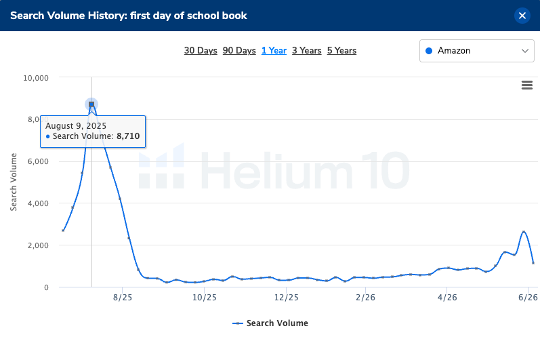
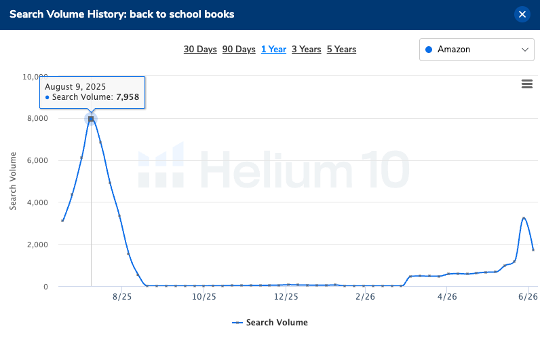
These figures demonstrate that the commercial season begins in early summer, gains momentum during July, and reaches a particularly important point in early August.
However, the emotional season lasts longer than the shopping peak. A child’s worries do not necessarily disappear after the first morning. Some concerns emerge only after school begins: joining play, sharing materials, coping with noise, using the bathroom, following a schedule, or saying goodbye repeatedly.
For publishers, that creates two connected marketing opportunities. Before school starts, relevant books can help children understand what to expect. Once classes are underway, the same books—or titles with broader emotional and social themes—can help children make sense of what they are experiencing. The strongest retail moment may arrive in early August, but the need for stories about adjustment, friendship, routines, and belonging can continue well into the fall.
Which books benefit?
The most direct opportunity belongs to books that address the transition itself: starting preschool or kindergarten, meeting a teacher, riding a bus, packing a backpack, saying goodbye to a caregiver, or moving through a school day. These titles make an unfamiliar experience more concrete and give families a way to discuss what may happen.
However, back-to-school demand is not limited to books with classrooms, teachers, or school buses on their covers. As more consumers shop for children during the season, a wide range of picture books has an opportunity to benefit from the increased attention.
Fear, worry, and separation: Stories that acknowledge anxiety, normalize mixed feelings, and offer reassurance can help children prepare for unfamiliar experiences.
Friendship and belonging: Books about approaching another child, joining a game, listening, cooperating, resolving disagreements, or welcoming a classmate fit naturally into the season.
Routines and independence: Stories about daily schedules, transitions, following directions, asking for help, and managing new responsibilities can make preschool or kindergarten feel more predictable.
Classroom community: Books about kindness, patience, sharing, identity, inclusion, mistakes, self-regulation, family diversity, and problem-solving can support the social work of establishing a classroom.
Concept books: Books introducing letters, numbers, colors, shapes, opposites, patterns, and other foundational ideas can appeal to families preparing children for preschool or kindergarten and to teachers building classroom read-aloud collections.
Gifts and general read-alouds: Humorous stories, bedtime books, and titles about curiosity, imagination, family, confidence, or independence can benefit from increased seasonal shopping even when they never mention school.
A particularly important category is the aspirational milestone book: a story that expresses an adult’s hopes for the child’s future. Titles such as I Wish You More by Amy Krouse Rosenthal and Tom Lichtenheld, The Wonderful Things You Will Be by Emily Winfield Martin, and Oh, the Places You’ll Go! by Dr. Seuss are not about attending school. They are about possibility, growth, encouragement, and becoming. Those themes make them natural gifts from parents and grandparents who want to recognize a child’s first day as an important life milestone.
Disclosure: This article contains affiliate links. As an Amazon Associate, We earn from qualifying purchases.
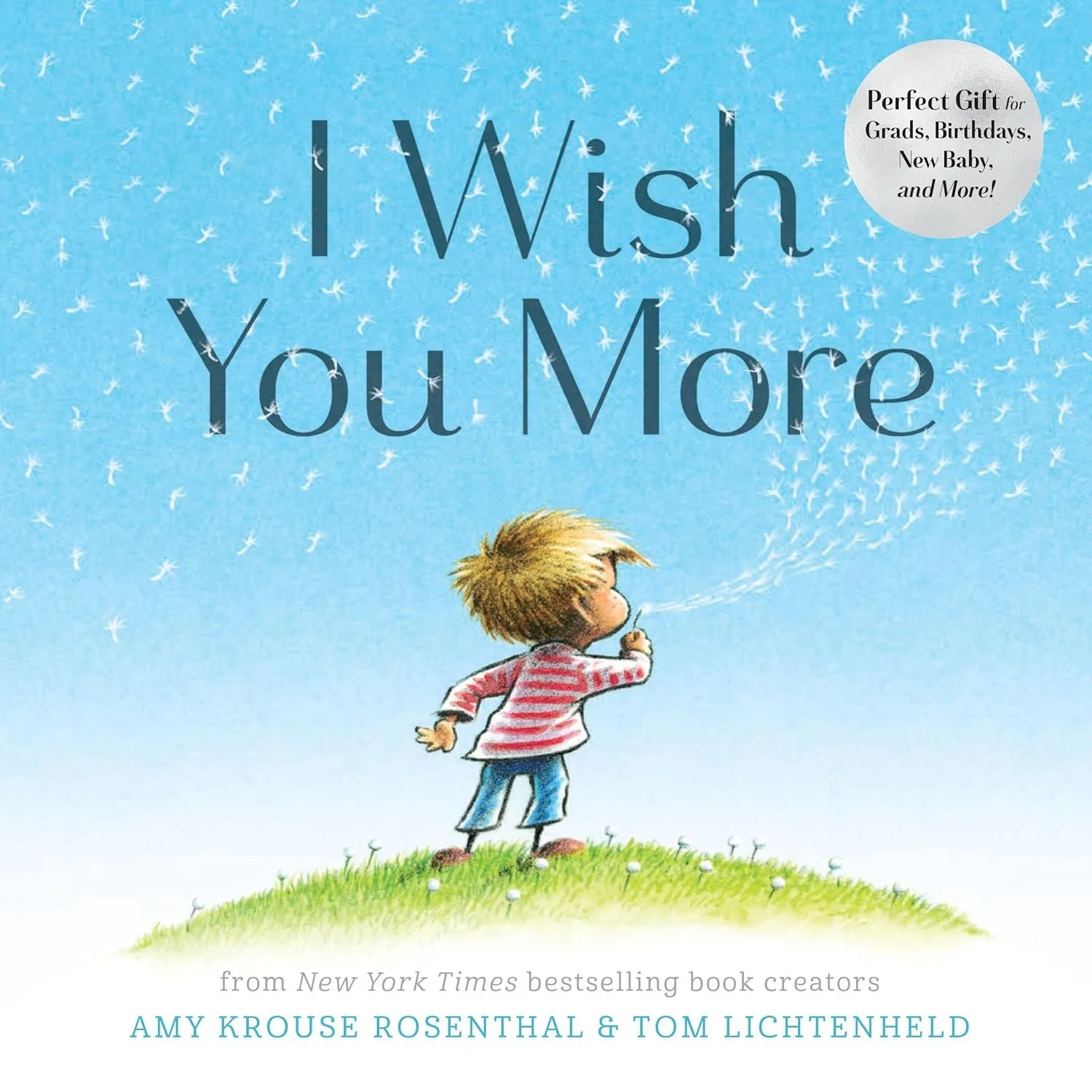
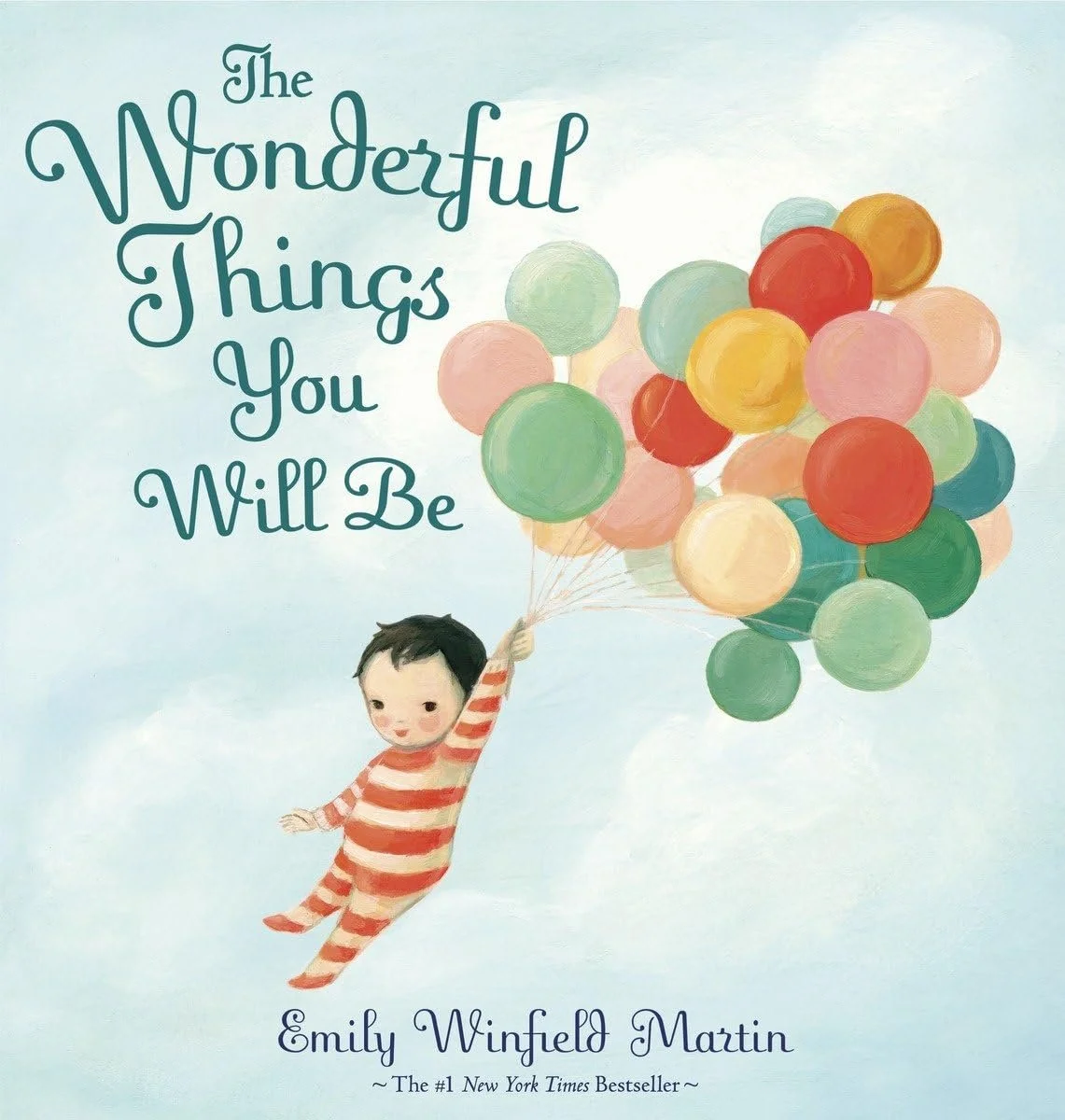

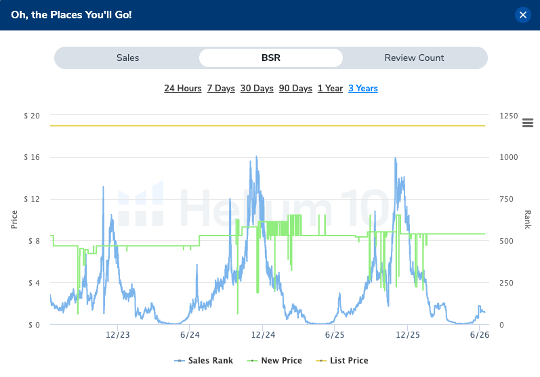
Helium 10’s three-year Amazon Best Sellers Rank history shows Oh, the Places You’ll Go! repeatedly reaching its strongest ranks between May and July (in the graph, the lower blue line represents a better sales rank). That recurring pattern reflects the book’s dual appeal as a graduation gift for children completing preschool or kindergarten and, as summer progresses, an aspirational back-to-school gift celebrating the next stage.
The key marketing distinction is that a picture book does not have to be about school to benefit from back-to-school shopping. Some titles directly prepare children for the transition. Others address the emotional, social, and developmental needs surrounding it. Still others are purchased because giving a child a book feels like a meaningful way to celebrate a new beginning.
For publishers, the key is to market by occasion as well as by subject. An aspirational picture book can be positioned as a first-day gift, a celebration of growth, or a source of encouragement for a child taking an important next step—even when the story never mentions school.
How large can the opportunity be?
For certain picture books, back-to-school is not simply a helpful theme; it can produce a dramatic annual increase in visibility and sales. The strongest performers tend to combine an unmistakable use case with an emotional need, an established reputation, or a recognizable character.
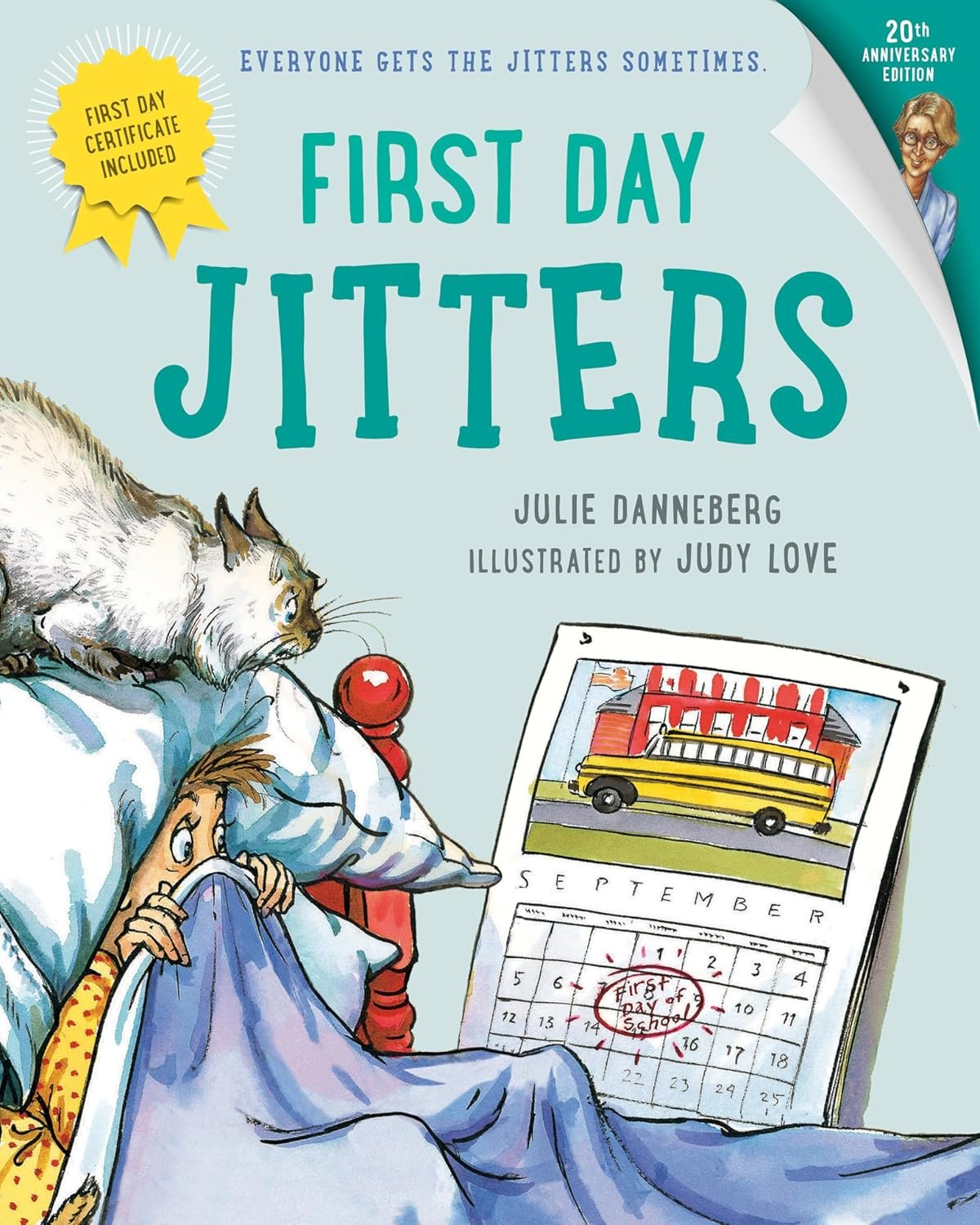
First Day Jitters by Julie Danneberg offers one of the clearest examples of a recurring seasonal surge. In 2018, it sold nearly 8,000 print copies during the first week of August 2018 alone. (Publishers Weekly)
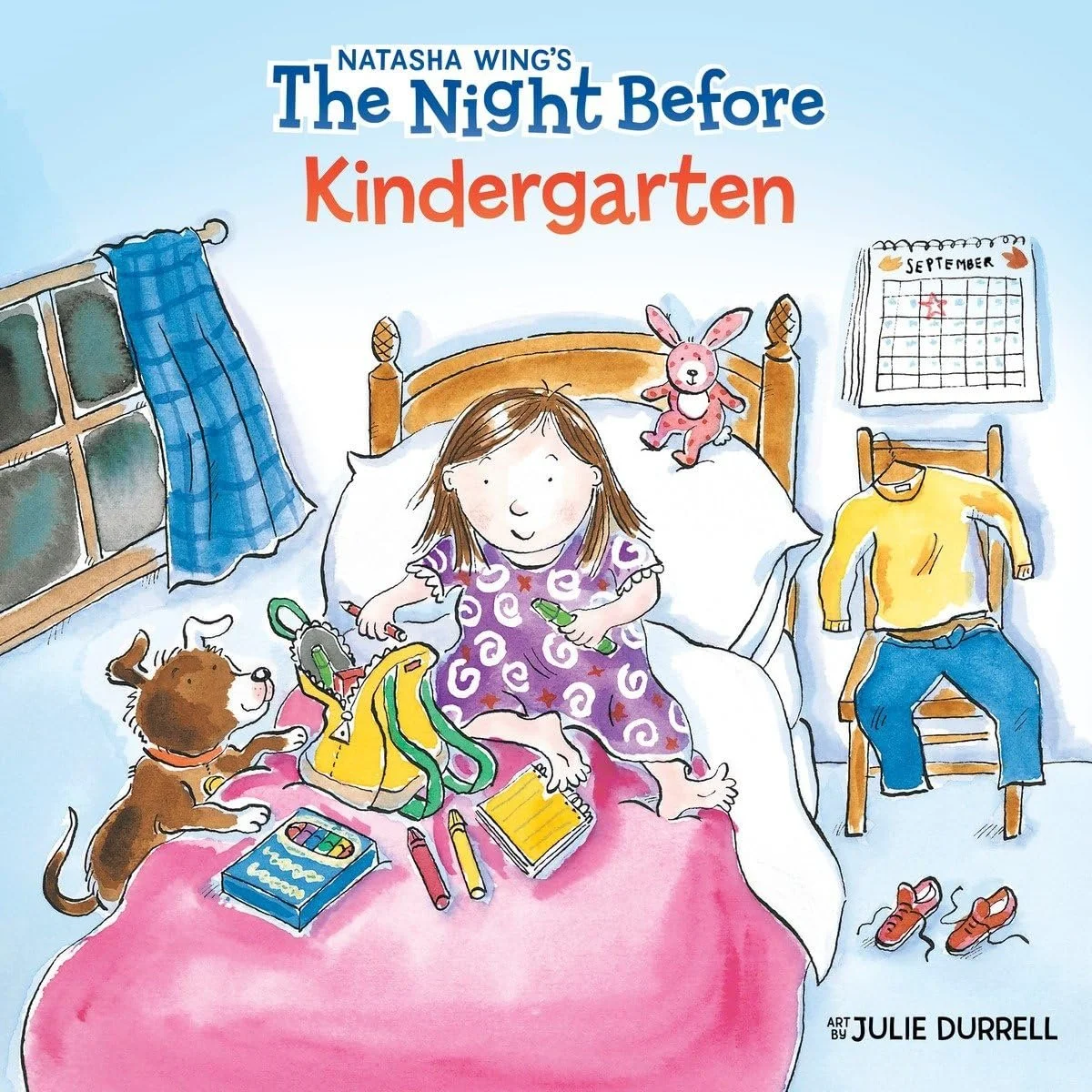
The Night Before Kindergarten by Natasha Wing provides another striking example. It sold slightly more than 8,500 print copies during that same early-August week in 2018. (Publishers Weekly)
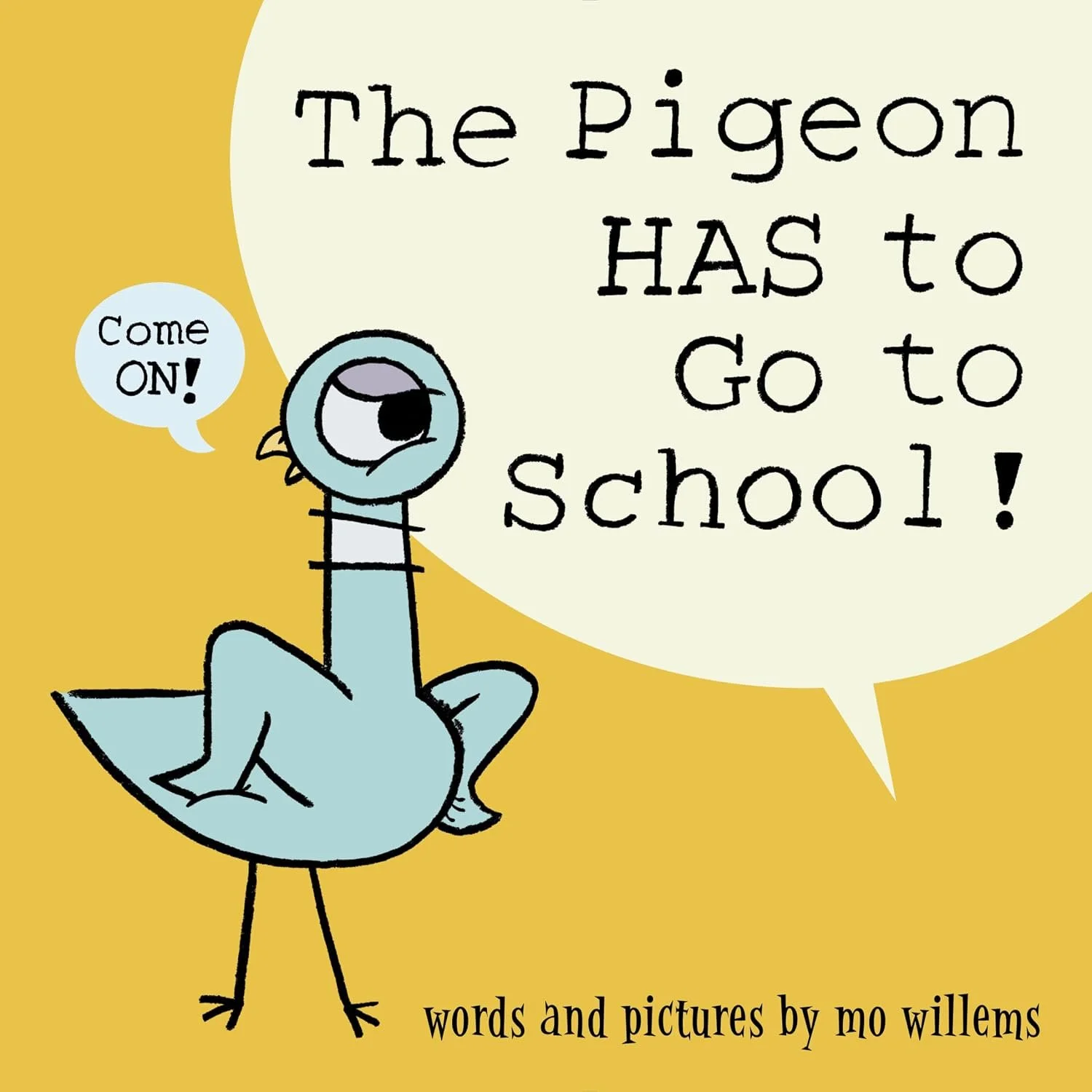
The Pigeon HAS to Go to School! by Mo Willems demonstrates what can happen when a powerful seasonal premise is paired with an established character. The book sold 17,541 copies during its July 2019 debut week and ranked No. 5 among all books—not only children’s picture books. (Publishers Weekly) Its success was clearly helped by the popularity of the Pigeon series and the excitement of a new release. Yet the title also developed a recurring seasonal pattern: in 2021, it rose from No. 24 on the picture-book list in mid-July to No. 2 in mid-August. (Publishers Weekly ranking history)
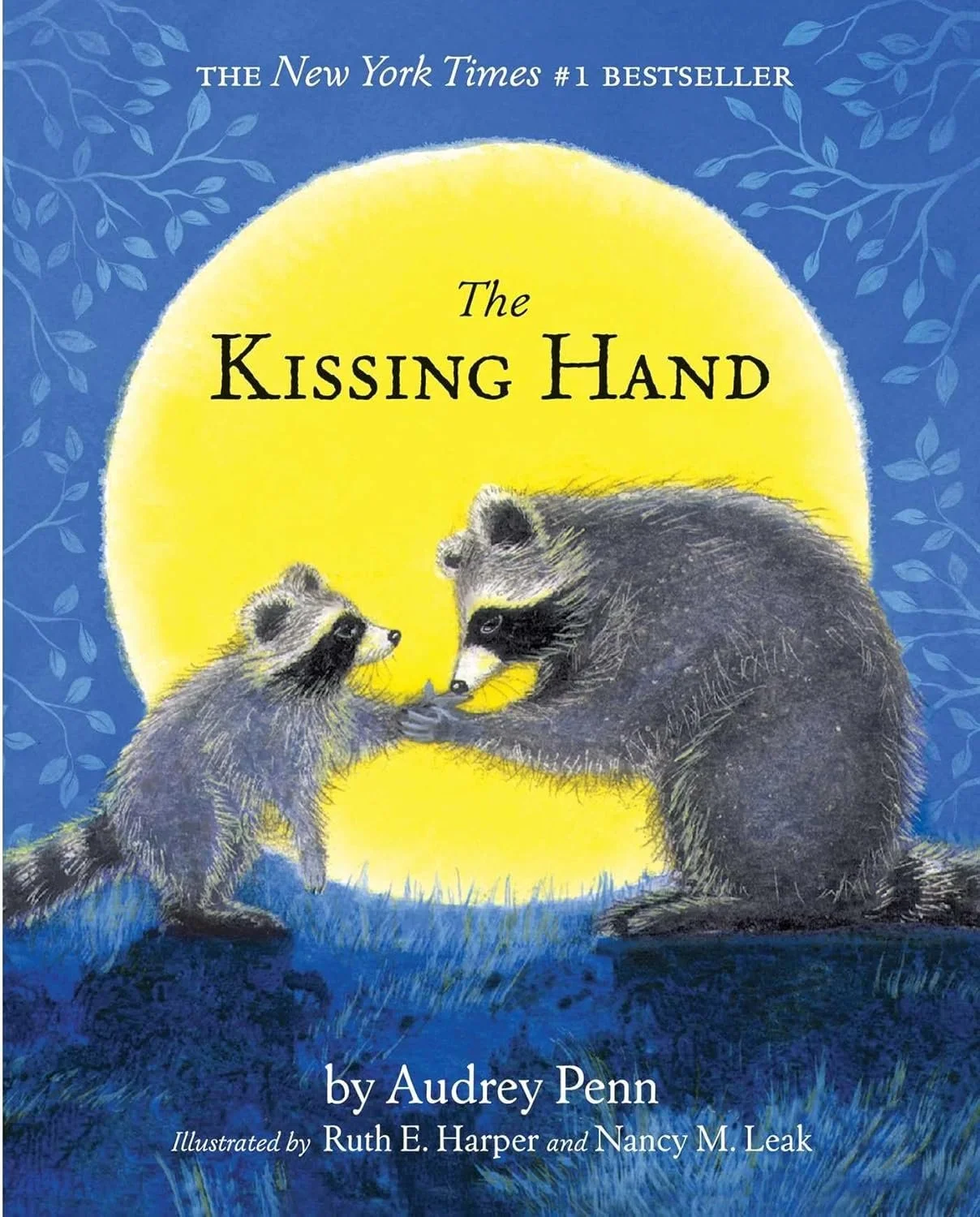
The Kissing Hand by Audrey Penn represents a different kind of opportunity. Rather than depending only on a brief first-day spike, it became a perennial resource for addressing separation anxiety. By 2018, the book had sold more than six million copies in North America and generated several sequels. (Publishers Weekly) Its longevity demonstrates the value of addressing the emotional experience surrounding school rather than only the event itself.
These books did not succeed for exactly the same reason, but together, they show how large the opportunity can become when a book combines seasonal discoverability with a compelling reason to be purchased, recommended, read aloud, and brought back into use year after year.
Capture seasonal demand with Amazon advertising
Amazon Ads can help publishers place relevant titles in front of shoppers while interest is rising. This is especially useful during back-to-school season, when buyers may be searching with a particular need in mind but have not yet selected a book.
Sponsored Products can promote individual books in relevant shopping results and on book detail pages. Publishers might target direct phrases related to starting school as well as broader needs such as preschool anxiety, making friends, sharing, classroom routines, or kindergarten readiness. Product targeting can also place an advertised title near complementary books and relevant categories.
Sponsored Brands can be particularly useful for publishers with several relevant titles. Instead of promoting only a book explicitly about the first day of school, a publisher can present a small collection that includes books about emotions, friendship, routines, confidence, and belonging. This approach reflects the wider range of reasons families, grandparents, educators, and gift buyers purchase picture books during the season.
Conclusion
Back-to-school is ultimately not one subject or one shopping weekend. For preschoolers and kindergartners, it is a season of emotional preparation followed by real-world adjustment. Publishers that understand both stages can market a much wider range of picture books—and can present those books not merely as timely purchases, but as practical companions for one of childhood’s most consequential transitions.
Optimizing campaigns around seasonal opportunities is just one of the ways we help our publishing partners connect the right books with the right audiences. Contact us to explore a marketing partnership and discuss how we can strengthen discoverability, expand reach, and build sustained demand for your titles throughout the year.